Key Measures Businesses Can Take to Reduce Cybersecurity Risks
Key Measures Businesses Can Take to Reduce Cybersecurity Risks
As cyber threats escalate globally, businesses must adopt practical cybersecurity measures and robust software continuity tools, including software escrow, to protect operations and resilience.
As cyber threats escalate globally, businesses must adopt practical cybersecurity measures and robust software continuity tools, including software escrow, to protect operations and resilience.
Software Escrow
|
February 3, 2026
-
6 MINS READ
In today’s connected business world, cybersecurity risks are more widespread and harmful than ever. Industry reports show that nearly 40% of businesses faced a cyber attack or breach in a year. This highlights that no organization, no matter its size or industry, is safe from digital threats.
Cyber threats range from phishing and malware to advanced supply chain attacks. While traditional protective measures like firewalls, passwords, and antivirus software remain important, they are no longer enough on their own. Modern risk management needs to include resilience planning to maintain critical operations, even during successful attacks or vendor failures.
In this article, we look at key steps businesses can take to reduce cybersecurity risks. We will discuss both technical defenses and strategic continuity tools like software escrow that help protect operations, data, and long-term stability.
Understanding the Current Cyber Threat Landscape
Today's cyber threats are dynamic. They involve complex tactics like ransomware, zero-day exploits, credential stuffing, and social engineering. Many breaches start with a single compromised account or a weak third-party component, resulting in data loss, theft of intellectual property, or disruptions to operations.
These threats are particularly challenging because they rely on both internal and external systems. Businesses depend heavily on vendors, cloud services, and off-the-shelf software, each of which can pose risks if not managed proactively.
Regulatory trends are also tightening accountability for cybersecurity readiness. New frameworks, like the UK’s Cyber Security and Resilience Bill, will increase incident reporting requirements and oversight for critical suppliers, making thorough risk management even more crucial.
Strengthening Core Cyber Defenses
Robust Authentication and Access Control
A key step in reducing cybersecurity risks is to improve authentication methods. Unique, strong passwords: Weak or reused passwords are some of the easiest vulnerabilities for attackers to exploit. Promoting or requiring strong password policies is both basic and critical.
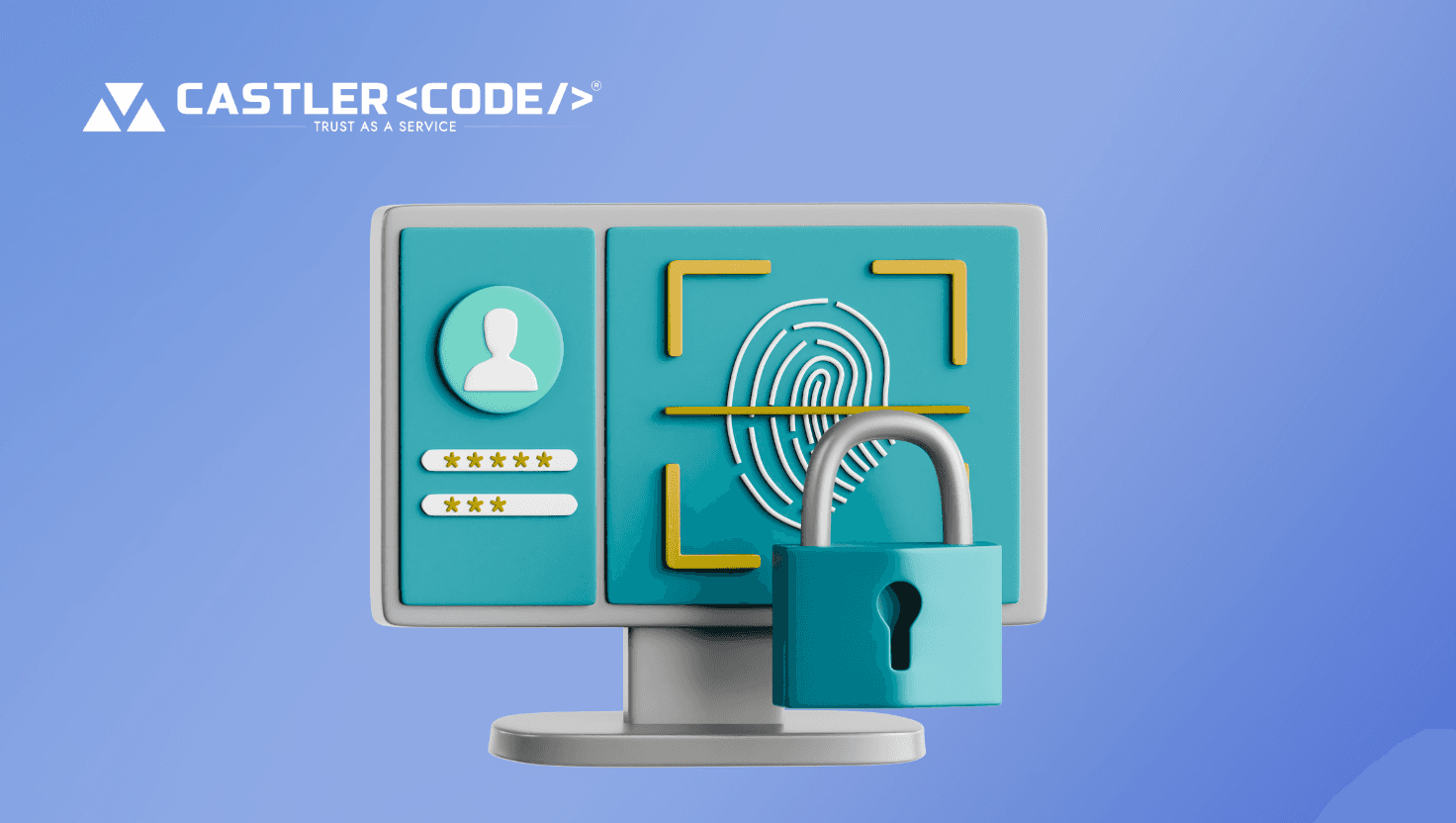
Multi-factor authentication (MFA): Adding a second verification step, such as a mobile code or biometric check, significantly lowers the chances of account compromise, even if credentials are stolen. Together, these measures make it harder for unauthorized users to access systems with stolen or guessed credentials.
Employee Education and Phishing Awareness
Many cyberattacks start with human error, especially through phishing emails or misleading social engineering tactics. Training employees to spot suspicious messages, verify sender identities, and report unusual activity should be a continuous priority. Regular security awareness sessions keep the workforce alert and capable of recognizing early signs of compromise.
Regular Patch Management and Secure Software Lifecycle
Outdated software and unpatched systems are common entry points for attackers. Effective patch management strategies include:
Monitoring for software updates and security advisories
Prioritizing critical patches promptly
Automating deployments whenever possible
These practices help minimize the exposure window for known vulnerabilities.
Network Monitoring and Incident Detection
Regularly monitoring network traffic and system logs allows businesses to notice unusual behavior before it escalates into a major breach. Intrusion detection systems, combined with real-time alerts, can reveal suspicious activity, enabling quick incident response and mitigation.
Protecting Critical Business Continuity
Cyber defenses must be paired with resilience strategies to ensure business operations continue during disruptions. This is where continuity-focused measures become essential.
Data Backups and Disaster Recovery Planning
Data loss, whether from ransomware, hardware failure, or accidental deletion, can cripple business functions. Regular backups stored securely in separate locations ensure that organizations can recover critical data without paying ransoms or experiencing prolonged downtime.
Backup systems should be:
Periodically tested to ensure they can be restored
Kept in off-site or cloud environments
Secured with encryption and access controls
These practices lessen the impact of data-targeting attacks and support rapid recovery.
Vulnerability Scanning and Penetration Testing
Routine vulnerability scanning finds weaknesses in systems before attackers can exploit them. Modern tools continuously check applications, servers, and networks for known vulnerabilities and misconfigurations.
Penetration testing goes further by mimicking real-world attack scenarios in controlled conditions, offering insights on practical defensive improvements.
Expanding Protection to Third-Party Dependencies
Today’s digital supply chain introduces many risks from outside a company’s direct control. Third-party software, cloud platforms, and vendor services are vital for daily operations but also widen the attack surface.
Securing Software Supply Chains
Reviewing third-party code, libraries, and dependencies is crucial. Ongoing vulnerability scanning and dependency management cut down risks linked to inherited vulnerabilities, like those seen in software supply chain incidents.
Security strategies should include contractual obligations for vendor accountability, clear channels for reporting vulnerabilities, and integration of vendor risk assessments into IT governance processes.
Software Escrow as a Continuity Tool Against Supply Chain Risks
Traditional cybersecurity measures focus on stopping breaches, but businesses also need ways to ensure continuity when external dependencies fail. This is where software escrow is important.
Software escrow is a structured arrangement where key software assets, like source code, configurations, and critical documentation, are held by a neutral custodian to be released under specific conditions. While often seen as a way to reduce vendor risks, it’s also a key tool for ensuring continuity in cyber risk situations, particularly when:
A software provider stops responding or goes out of business for reasons unrelated to cybersecurity
Contract disputes threaten access to essential systems
Third-party hosted applications face outages or changes in ownership
Escrowing these assets ensures that businesses retain operational control and can continue essential functions, even when vendor services are disrupted. Software escrow becomes vital when traditional defenses are bypassed or vendor continuity is uncertain.
In this context, escrow supports a broader risk management strategy that covers prevention, detection, and resilience, offering a safety net for continuity when cyber threats or vendor issues affect core applications.
Complementing Technical Measures with Governance and Culture
Technical defenses are only as effective as the culture and governance systems that support them. Organizations should foster a security-first attitude that promotes shared responsibility for reducing cyber risks.
Incident Response Planning
A documented incident response (IR) plan outlines how teams will react to breaches, including notifying stakeholders, containing damage, and starting recovery. Regular drills and updates keep the IR plan current as infrastructure and threats evolve.
Security Governance and Accountability
Oversight of cybersecurity risk at the board level helps organizations prioritize investment and connect security to broader business goals. Governance frameworks should integrate:
Cyber risk assessments
Vendor and supply chain evaluations
Continuity planning, including escrow and recovery
Compliance with industry standards and regulations
This strategic viewpoint elevates cybersecurity from an IT issue to a company-wide priority that aligns with risk tolerance and business continuity objectives.
Building a Resilient, Future-Ready Security Posture
Organizations that view cybersecurity as an ongoing process rather than a static list are better equipped to deal with changing threats. Adaptable measures, continuous learning, and proactive risk controls are key to increasing resilience in an environment where attacks are becoming more sophisticated.
Software escrow, in particular, plays a strategic role in ensuring continuity for critical digital assets, helping businesses maintain operations even when traditional defenses and vendor relationships are under threat.
Conclusion
Reducing cybersecurity risks requires a multi-layered approach that combines proactive protection, constant monitoring, and strategic continuity tools. While strong authentication, employee training, regular updates, and vulnerability scanning form the foundation, continuity methods like software escrow extend protection to situations where external disruptions threaten access to vital systems. A solid continuity framework helps organizations tackle cyber threats not just through prevention, but also through preparedness and resilience, ensuring that operations stay functional even in tough times.
CastlerCode’s software escrow solutions help businesses strengthen their cybersecurity and continuity efforts by protecting essential software assets and enabling continuity in the event of vendor disruptions or other cyber challenges. By incorporating structured continuity into your risk management strategy, you can better safeguard your business against current and future cyber threats.
To enhance your organization’s cybersecurity and continuity capabilities, check out CastlerCode solutions.
In today’s connected business world, cybersecurity risks are more widespread and harmful than ever. Industry reports show that nearly 40% of businesses faced a cyber attack or breach in a year. This highlights that no organization, no matter its size or industry, is safe from digital threats.
Cyber threats range from phishing and malware to advanced supply chain attacks. While traditional protective measures like firewalls, passwords, and antivirus software remain important, they are no longer enough on their own. Modern risk management needs to include resilience planning to maintain critical operations, even during successful attacks or vendor failures.
In this article, we look at key steps businesses can take to reduce cybersecurity risks. We will discuss both technical defenses and strategic continuity tools like software escrow that help protect operations, data, and long-term stability.
Understanding the Current Cyber Threat Landscape
Today's cyber threats are dynamic. They involve complex tactics like ransomware, zero-day exploits, credential stuffing, and social engineering. Many breaches start with a single compromised account or a weak third-party component, resulting in data loss, theft of intellectual property, or disruptions to operations.
These threats are particularly challenging because they rely on both internal and external systems. Businesses depend heavily on vendors, cloud services, and off-the-shelf software, each of which can pose risks if not managed proactively.
Regulatory trends are also tightening accountability for cybersecurity readiness. New frameworks, like the UK’s Cyber Security and Resilience Bill, will increase incident reporting requirements and oversight for critical suppliers, making thorough risk management even more crucial.
Strengthening Core Cyber Defenses
Robust Authentication and Access Control
A key step in reducing cybersecurity risks is to improve authentication methods. Unique, strong passwords: Weak or reused passwords are some of the easiest vulnerabilities for attackers to exploit. Promoting or requiring strong password policies is both basic and critical.
Multi-factor authentication (MFA): Adding a second verification step, such as a mobile code or biometric check, significantly lowers the chances of account compromise, even if credentials are stolen. Together, these measures make it harder for unauthorized users to access systems with stolen or guessed credentials.
Employee Education and Phishing Awareness
Many cyberattacks start with human error, especially through phishing emails or misleading social engineering tactics. Training employees to spot suspicious messages, verify sender identities, and report unusual activity should be a continuous priority. Regular security awareness sessions keep the workforce alert and capable of recognizing early signs of compromise.
Regular Patch Management and Secure Software Lifecycle
Outdated software and unpatched systems are common entry points for attackers. Effective patch management strategies include:
Monitoring for software updates and security advisories
Prioritizing critical patches promptly
Automating deployments whenever possible
These practices help minimize the exposure window for known vulnerabilities.
Network Monitoring and Incident Detection
Regularly monitoring network traffic and system logs allows businesses to notice unusual behavior before it escalates into a major breach. Intrusion detection systems, combined with real-time alerts, can reveal suspicious activity, enabling quick incident response and mitigation.
Protecting Critical Business Continuity
Cyber defenses must be paired with resilience strategies to ensure business operations continue during disruptions. This is where continuity-focused measures become essential.
Data Backups and Disaster Recovery Planning
Data loss, whether from ransomware, hardware failure, or accidental deletion, can cripple business functions. Regular backups stored securely in separate locations ensure that organizations can recover critical data without paying ransoms or experiencing prolonged downtime.
Backup systems should be:
Periodically tested to ensure they can be restored
Kept in off-site or cloud environments
Secured with encryption and access controls
These practices lessen the impact of data-targeting attacks and support rapid recovery.
Vulnerability Scanning and Penetration Testing
Routine vulnerability scanning finds weaknesses in systems before attackers can exploit them. Modern tools continuously check applications, servers, and networks for known vulnerabilities and misconfigurations.
Penetration testing goes further by mimicking real-world attack scenarios in controlled conditions, offering insights on practical defensive improvements.
Expanding Protection to Third-Party Dependencies
Today’s digital supply chain introduces many risks from outside a company’s direct control. Third-party software, cloud platforms, and vendor services are vital for daily operations but also widen the attack surface.
Securing Software Supply Chains
Reviewing third-party code, libraries, and dependencies is crucial. Ongoing vulnerability scanning and dependency management cut down risks linked to inherited vulnerabilities, like those seen in software supply chain incidents.
Security strategies should include contractual obligations for vendor accountability, clear channels for reporting vulnerabilities, and integration of vendor risk assessments into IT governance processes.
Software Escrow as a Continuity Tool Against Supply Chain Risks
Traditional cybersecurity measures focus on stopping breaches, but businesses also need ways to ensure continuity when external dependencies fail. This is where software escrow is important.
Software escrow is a structured arrangement where key software assets, like source code, configurations, and critical documentation, are held by a neutral custodian to be released under specific conditions. While often seen as a way to reduce vendor risks, it’s also a key tool for ensuring continuity in cyber risk situations, particularly when:
A software provider stops responding or goes out of business for reasons unrelated to cybersecurity
Contract disputes threaten access to essential systems
Third-party hosted applications face outages or changes in ownership
Escrowing these assets ensures that businesses retain operational control and can continue essential functions, even when vendor services are disrupted. Software escrow becomes vital when traditional defenses are bypassed or vendor continuity is uncertain.
In this context, escrow supports a broader risk management strategy that covers prevention, detection, and resilience, offering a safety net for continuity when cyber threats or vendor issues affect core applications.
Complementing Technical Measures with Governance and Culture
Technical defenses are only as effective as the culture and governance systems that support them. Organizations should foster a security-first attitude that promotes shared responsibility for reducing cyber risks.
Incident Response Planning
A documented incident response (IR) plan outlines how teams will react to breaches, including notifying stakeholders, containing damage, and starting recovery. Regular drills and updates keep the IR plan current as infrastructure and threats evolve.
Security Governance and Accountability
Oversight of cybersecurity risk at the board level helps organizations prioritize investment and connect security to broader business goals. Governance frameworks should integrate:
Cyber risk assessments
Vendor and supply chain evaluations
Continuity planning, including escrow and recovery
Compliance with industry standards and regulations
This strategic viewpoint elevates cybersecurity from an IT issue to a company-wide priority that aligns with risk tolerance and business continuity objectives.
Building a Resilient, Future-Ready Security Posture
Organizations that view cybersecurity as an ongoing process rather than a static list are better equipped to deal with changing threats. Adaptable measures, continuous learning, and proactive risk controls are key to increasing resilience in an environment where attacks are becoming more sophisticated.
Software escrow, in particular, plays a strategic role in ensuring continuity for critical digital assets, helping businesses maintain operations even when traditional defenses and vendor relationships are under threat.
Conclusion
Reducing cybersecurity risks requires a multi-layered approach that combines proactive protection, constant monitoring, and strategic continuity tools. While strong authentication, employee training, regular updates, and vulnerability scanning form the foundation, continuity methods like software escrow extend protection to situations where external disruptions threaten access to vital systems. A solid continuity framework helps organizations tackle cyber threats not just through prevention, but also through preparedness and resilience, ensuring that operations stay functional even in tough times.
CastlerCode’s software escrow solutions help businesses strengthen their cybersecurity and continuity efforts by protecting essential software assets and enabling continuity in the event of vendor disruptions or other cyber challenges. By incorporating structured continuity into your risk management strategy, you can better safeguard your business against current and future cyber threats.
To enhance your organization’s cybersecurity and continuity capabilities, check out CastlerCode solutions.
Written By

Chhalak Pathak
Marketing Manager